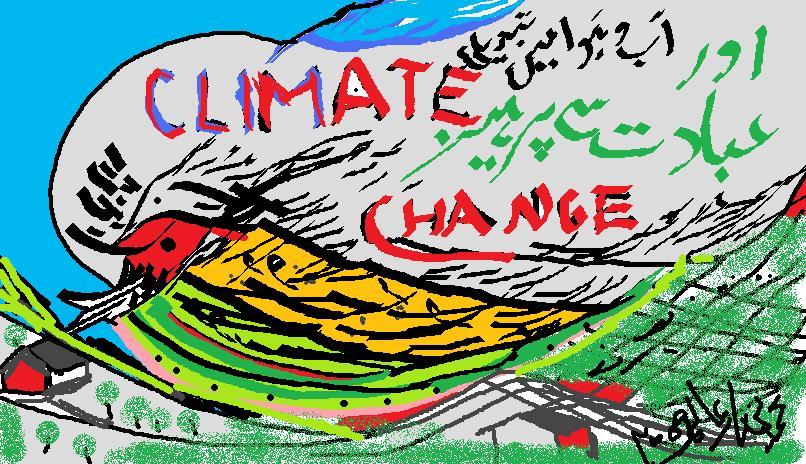
I would like to share the developments, contributions of people joining in Transition Movement in India that has been launched by Labour League Foundation,Sewa, Sufi Trust and other organisations for preparing for the end of petro-modern age and minimising suffering in the urban regions as a result of the loss of livelihoods after the exhaustion of fossil fuels.
Tuesday, May 18, 2010


Saturday, May 15, 2010
Right to Ecologically Safe Habitats and Livelihoods
Distinguished members of IHRO group,
Mrs. Sonia Gandhi ,the president of Congress has called for addressing the root causes of rural unrest especially in these regions where tribals. There is call for defending the rights of villagers in Kalinga Nagar for their habitats. We know for sure that it is for the expansion of ecologically hostile urban habitats that these mineral rich regions are being acquired violating the recommendations of the recommendations of the Bhuria Committee. Prof.B.K. Burman had called for correction of provisions of the Forest Act for accomodating the interests of forest dwellors and their rights. Thus, there is need to work for rights of farmers and villagers to their ecologically sustainable habitats and livelihoods . Nothing compensates for the guarunteed agriculture and forest based livelihood for those who for generations and millennia have been dependant of that. People have lost lives and land and the story of Gladson Dungdung is an example http://transitionurbanindia.ning.com/profiles/blogs/am-i-a-maoist-by-gladson.
Many of us migrants in urban areas would realise that our ancestors survived on agriculture. Ecologically intelligent decision would be to halt the expansion of the ecologically hostile urban habitats and stick to the spirit of National Climate Action policy. We must call for ecologically safe governance, prepare for the end of petro-modern times as we do not have gurunteed supply of energy for running the expanding ecologically hostile urban habitats. We can see evidence of increasing rate of decline of fossil fuels and this has been acknowledged by Fatih Birol ,Chief Economist of Paris based International Energy Institute http://transitionurbanindia.ning.com/profiles/blogs/drfatih-birol-chief-economist
No one has fixed a target for us. China is geostrategically adopting an ecologically hostile policy following the lead of nations, even China needs to prepare for the end petro-modern times and it might get ready soon, though this appears difficult. Nonetheless, we need to have community based ecostrategic planning http://transitionurbanindia.ning.com/forum/topics/community-based-ecostrategic with total consent and not a consent derived by coercion and monetary compentation.
I am marking copies to President, Vice President and Prime Minister of India for the needful consideration.
Dr.Muhammad Mukhtar Alam
58-C, Top Floor,DDA Janta Flats, Ashok Vihar-III,Delhi-110052,India
Tel:+9968345380
http://slideshare.net/mukhtaralam
http://transitionurbanindia.ning.com
http://ecostrategiccommunicators.ning.com
http://muhammad_mukhtar_alam.tigblog.org
http://architectsofanewdawn.ning.com/profile/DrMuhammadMukhtarAlam
--------------------------------------------------------------------------------
From: "Subhashini_Ali@yahoo.com"
To: IHRO@yahoogroups.com
Sent: Sat, 15 May, 2010 8:58:28 PM
Subject: [IHRO] Fw: Maoist Killings
Sent from my BlackBerry® smartphone
--------------------------------------------------------------------------------
From: "Communist Party of India \(Marxist\)"
Date: Sat, 15 May 2010 15:09:35 +0530
To: Communist Party of India\(Marxist\ )
Subject: Maoist Killings
Class enemies?
Mrs. Sonia Gandhi ,the president of Congress has called for addressing the root causes of rural unrest especially in these regions where tribals. There is call for defending the rights of villagers in Kalinga Nagar for their habitats. We know for sure that it is for the expansion of ecologically hostile urban habitats that these mineral rich regions are being acquired violating the recommendations of the recommendations of the Bhuria Committee. Prof.B.K. Burman had called for correction of provisions of the Forest Act for accomodating the interests of forest dwellors and their rights. Thus, there is need to work for rights of farmers and villagers to their ecologically sustainable habitats and livelihoods . Nothing compensates for the guarunteed agriculture and forest based livelihood for those who for generations and millennia have been dependant of that. People have lost lives and land and the story of Gladson Dungdung is an example http://transitionurbanindia.ning.com/profiles/blogs/am-i-a-maoist-by-gladson.
Many of us migrants in urban areas would realise that our ancestors survived on agriculture. Ecologically intelligent decision would be to halt the expansion of the ecologically hostile urban habitats and stick to the spirit of National Climate Action policy. We must call for ecologically safe governance, prepare for the end of petro-modern times as we do not have gurunteed supply of energy for running the expanding ecologically hostile urban habitats. We can see evidence of increasing rate of decline of fossil fuels and this has been acknowledged by Fatih Birol ,Chief Economist of Paris based International Energy Institute http://transitionurbanindia.ning.com/profiles/blogs/drfatih-birol-chief-economist
No one has fixed a target for us. China is geostrategically adopting an ecologically hostile policy following the lead of nations, even China needs to prepare for the end petro-modern times and it might get ready soon, though this appears difficult. Nonetheless, we need to have community based ecostrategic planning http://transitionurbanindia.ning.com/forum/topics/community-based-ecostrategic with total consent and not a consent derived by coercion and monetary compentation.
I am marking copies to President, Vice President and Prime Minister of India for the needful consideration.
Dr.Muhammad Mukhtar Alam
58-C, Top Floor,DDA Janta Flats, Ashok Vihar-III,Delhi-110052,India
Tel:+9968345380
http://slideshare.net/mukhtaralam
http://transitionurbanindia.ning.com
http://ecostrategiccommunicators.ning.com
http://muhammad_mukhtar_alam.tigblog.org
http://architectsofanewdawn.ning.com/profile/DrMuhammadMukhtarAlam
--------------------------------------------------------------------------------
From: "Subhashini_Ali@yahoo.com"
To: IHRO@yahoogroups.com
Sent: Sat, 15 May, 2010 8:58:28 PM
Subject: [IHRO] Fw: Maoist Killings
Sent from my BlackBerry® smartphone
--------------------------------------------------------------------------------
From: "Communist Party of India \(Marxist\)"
Date: Sat, 15 May 2010 15:09:35 +0530
To: Communist Party of India\(Marxist\ )
Subject: Maoist Killings
Class enemies?
Tuesday, February 16, 2010
'Engaging Religious Communities Abroad: A New Imperative for U.S. Foreign Policy'
'Engaging Religious Communities Abroad: A New Imperative for U.S. Foreign Policy' is a link to the mailer from Radwan Masmoudi from Washington. Carbon-neutral faith based measures are critical for transforming ecologically hostilte finance system and leisure. Prevention of usury,promotion of the culture of prayer 5 times a day and prohibition of usury is critical for the survival of local commmunities. Habitats need to be transformed for the post-carbon age http://transitionurbanindia.ning.com is an important initiative in this regard for generating advisory outputs for the needful transformation.
Wednesday, January 13, 2010
Saturday, January 2, 2010
Community Based Ecostrategic Planning for Tribal Areas and Rest of the Habitats in the 7.85 Billion Commune of Adam AS, the first Muslim Khalifatullah and Hawwa AS
Tribal and Indigenous groups living in the forest areas are on the cusp of a phase in national development where they are being reached for getting the trappings and comfort of the non-renewable resource based developments in consumption and production with education, development and cultural policy that is getting challenged globally for being resource intensive, energy intensive, ecologically hostile, exploitation, destructive and most importantly there are now transition movements following the work of Bob Hopkins for preparing for peak oil and mitigation of climate change http://transitionus.ning.com .Thus theme of ‘Continuity and Change’ for the conference organised in mid-January 2010 by Tribal Research and Development Institute (TRI) and United Nations Development Programme (UNDP) is indeed very appropriate for discussing ‘Best Practices in Tribal Areas’ with focus on Poverty, Governance, Health and Climate Change with an objective to bring together various successful interventions and experiences that have facilitated the process of tribal development and improvement in socio-economic conditions in Schedule V and VI Areas by building traditional knowledge systems and practices and evolving suitable mainstreaming approaches for inclusive growth and development of tribal areas. There indeed are features that require continuous support and there are features that need to be change.
Center for Ecological Audit ,Social Inclusion and Governance working currently on policy advocay for mitigation of climate change would like to share its learnings and experience for informing the conference better on the endeavors that could be taken for mitigating climate change and preparing best adaptation strategies. Responses requested as per the queries are noted below with analysis and recommendations:
· Community based conservation and management strategies
I would like to share our proposal for conceptually and programmatically establish the Community Based Ecostrategic Planning http://transitionurbanindia.ning.com/forum/topics/community-based-ecostrategic that we had shared as part of input for the planning process sought by Ms.Ruchi Pant . This, we think is very relevant for the tribal areas as it is these tribal areas that are coming under increasing pressure to cede rights to forests, rivers, farming land, graveyard, cultural edifices and heritages for supporting the expansion of ecologically hostile habitats like New Delhi, Bhopal, Jaipur, Shimla etc. with non-renewable and exhaustible resource based consumption and production in the name of 'common good'/ development/national interest and so on. We believe that Community Based Ecostrategic Planning considering the long-term interests of children both in tribal and non-tribal areas, urban and rural areas across the spaces would generate analytical and advisory outputs/actions/planning and communications considering the long-term survival interests, peak oil estimate, emission reduction targets for mitigating climate change and adapting to the adverse impacts of climate change. I would like to submit for invocation of the interests of children of 40th century recognizing the perceptions of limited time-scale in some of key policy documents such as Agenda of 21st century and Millennium Declaration as some of peaks in production of the non-renewable resource based commodities may not be plausible by the end of 21st century and collectively posterity may face the peaks later and face severely undesirable consequences.
Community Based Ecostrategic Planning for conservation and management is proposed thus, considering the long-term interests of humanity in general and communities in Schedule V and VI areas in particular. This is proposed in recognition of the facts that emerge from the estimate on the peaks of non-renewable and renewable resources especially the non-renewable resources that over the past 100 years has brought in feelings and perceptions on the community development, progress ,growth and development. The proposal is directly linked to findings and projections on the resources that have been extracted and that can be extracted inf the future for example, the findings of the Paris based International Energy Agency about the increasing rate of decline in the production of the fossil fuels that has increased from 3.7 percent to 7.49 percent http://transitionurbanindia.ning.com/profiles/blogs/drfatih-birol-chief-economist
. Eventually, we have to get ready for building policy for end of the what I can petro-modern times and start with the new tool of Community Based Ecostrategic Planning in tribal ,rural and urban areas across the deserts, mountains, plains and plateaus everywhere informing all the units of planning at habitation, block, district ,state ,nation. India is indeed has been pointed out to take a lead in this and expanding the communities of learning and practice across the globe for achieving impacts with reference to climate change, ecological safety, interspecies justice, social and global cohesion etc.
· Methodologies/ approaches used for assessments and analysis of vulnerability of tribal communities to Climate Change
I am not sure whether there are exercises that are being taken up for assessing the vulnerability of tribal areas to climate change. However, considering the peak oil estimates and climate both as critical facts impacting the lives and livelihoods across the regions within and across the nations ,it is imperative that Community based Ecostrategic Planning is adopted strengthening carbon-neutral processes for consumption, production, health care reviving native knowledge systems in ecologically safe agriculture, medicine and others that have been part of ecologically safe communities particularly in the tribal areas and upscaling in the urban areas simultaneously. This is needed considering the severe vulnerabilities of the communities in the tribal areas that could be assessed through envisioning exercises, sharing information on the peak estimate of the non-renewable resource based consumption after analyzing the history of consumption patterns and production pattern that are based on both renewable and non-renewable resources. Methodologies could include the following:
a) Envisioning Exercises for ecologically safe future of children in the tribal and non-tribal areas, challenges to non-renewable resource based livelihoods, governance frameworks etc. An initiative for discussing the future in Delhi in 40th century can be seen initiated at http://ecostrategiccommunicators.ning.com/group/delhi4childrenof40thcentury
b)Sustainability Analysis of the Consumption , Production, Transport and Habitats patterns through establishing distinction between the renewable and non-renewable resource based consumption, production, leisure, transport and habitats etc.
c) Carbon-neutral Discussions on carbon-neutral consumption, production and transport after the exhaustion of the fossil fuel, a presentation can be seen at http://www.slideshare.net/mukhtaralam/carbon-neutral-neighbourhood-discussionsconsultations-for-ecological-audit-neighbourhood-and-personal-processes-for-personal-and-social-wellbeing-and-countering-climate-change
d) Learning Forums for carbon-neutral village level processes for mitigating climate change
e) Evaluation Exercises for external inputs that are critical for survival of the village population and its sustainability in terms of the availability of external non-renewable resources.
f) Discussion on inter-faith commons that could be useful for transformatory consumption ,production, transport, finance system, habitats that are vital for ensuring the children have ecologically safe, socially cohesive, equitable and harmonious future local, nationally and globally.http://www.slideshare.net/mukhtaralam/mitigation-of-climate-change-through-adoption-of-interfaith-monotheistic-islamic-commons
· Community based adaptation measures to reduce vulnerability
Recognizing the measure proposed through Climate Action Policy and the actions suggested through the eight missions, Center for Ecological Audit, Social Inclusion and Governance has been communicating for the adoption of carbon-neutral leisure as part of community based carbon-neutral measures for reducing the vulnerability to climate change and conducting the same in various locations. This is in addition to the actions across the sites of work and leisure as indeed men and women living in the neighborhoods can contribute the best for reducing the vulnerability and mitigating the climate change. According to Yudhistira a member of Climate Action Network managed by Vikas Vihar in Patna http://climateactionnet.ning.com , there is not much awareness among the poor who are more concerned with the day to day needs of survival in Bihar. I think this is the case across the rural areas and urban areas. He has initiated a discussion on the perception of the poor about the climate change as he thinks currently, there is not much information and studies on this aspect of the climate change..... There is need to to create an awareness among the communities about the impact of the adverse impact of climate change and use carbon-neutral measures for discussing the impact using habitations as units of planning ,programming, implementation, monitoring ,learning and evaluation. Judging my personal experience of discussions about this among my relatives, I have found that even after so much media attention to Copenhagen conference concluded recently, there are resistances to taking responsibility for climate change. Addiction to thinking that everything will be alright and those in the future would take care of themselves or that all this talk of crisis in the urban areas especially in the urban areas in the post-carbon age and what I call the end of petro-modern times. Therefore, awareness is critical for enhancing the action potentials of communities for adapting to the adverse impacts of the climate change. Working at Development Alternatives as National Monitoring, Learning and Evaluation Coordinator, I remember having a lot of resistance to the idea of adaptation as I thought those talking about adaptation are not doing much for mitigation, that I believe even now is possible , provided there is recognition of the ways emissions could be reduced including adoption of the faith based measure such as adoption of prayer 5 times a day, abolition of usurious money www.globaljusticemovement.net through creating regulatory mechanism for controlling the creation of the money from thin year through interest bearing debts. London based International Simultaneous Policy Organisations has been calling for adoption of simultaneous actions for mitigation of climate change www.simpol.org
· Mitigation strategies being prepared to combat Climate Change
I think Copenhagen Accord though widely criticized for not having the binding emission targets rightly has been described to be a beginning for an actions for mitigating the climate change. Mr. Jairam Ramesh rightly called for participation of all stakeholders for the mitigation of climate change. In all these discussions, no where, there was reference for addressing the need to address financing with reference to to prevention of the ecologically hostile consumption, habitats, production considering the estimates on fossil fuels and then considering the need to respond to climate change. Even those demonstrating for binding emission targets did not suggest the ways financing strategies and monetary system are responsible for expansion of ecologically malignant habitats, consumption and production. I think, there is an urgent need to address the need to prevent generation of usurious and ecologically hostile money that is responsible for devaluation of ecologically benevolent green and ecologically safe agriculture based livelihoods. Putting it simply, banking and financing needs to be revisited. A description of the movement seeking this change in the finance system can be seen athttp://www.futureislam.com/20070701/insight/mukhtaralam/Transforming%20World%20Bank.asp and http://www.futureislam.com/2007/07-08.asp
Center for Ecological Audit ,Social Inclusion and Governance working currently on policy advocay for mitigation of climate change would like to share its learnings and experience for informing the conference better on the endeavors that could be taken for mitigating climate change and preparing best adaptation strategies. Responses requested as per the queries are noted below with analysis and recommendations:
· Community based conservation and management strategies
I would like to share our proposal for conceptually and programmatically establish the Community Based Ecostrategic Planning http://transitionurbanindia.ning.com/forum/topics/community-based-ecostrategic that we had shared as part of input for the planning process sought by Ms.Ruchi Pant . This, we think is very relevant for the tribal areas as it is these tribal areas that are coming under increasing pressure to cede rights to forests, rivers, farming land, graveyard, cultural edifices and heritages for supporting the expansion of ecologically hostile habitats like New Delhi, Bhopal, Jaipur, Shimla etc. with non-renewable and exhaustible resource based consumption and production in the name of 'common good'/ development/national interest and so on. We believe that Community Based Ecostrategic Planning considering the long-term interests of children both in tribal and non-tribal areas, urban and rural areas across the spaces would generate analytical and advisory outputs/actions/planning and communications considering the long-term survival interests, peak oil estimate, emission reduction targets for mitigating climate change and adapting to the adverse impacts of climate change. I would like to submit for invocation of the interests of children of 40th century recognizing the perceptions of limited time-scale in some of key policy documents such as Agenda of 21st century and Millennium Declaration as some of peaks in production of the non-renewable resource based commodities may not be plausible by the end of 21st century and collectively posterity may face the peaks later and face severely undesirable consequences.
Community Based Ecostrategic Planning for conservation and management is proposed thus, considering the long-term interests of humanity in general and communities in Schedule V and VI areas in particular. This is proposed in recognition of the facts that emerge from the estimate on the peaks of non-renewable and renewable resources especially the non-renewable resources that over the past 100 years has brought in feelings and perceptions on the community development, progress ,growth and development. The proposal is directly linked to findings and projections on the resources that have been extracted and that can be extracted inf the future for example, the findings of the Paris based International Energy Agency about the increasing rate of decline in the production of the fossil fuels that has increased from 3.7 percent to 7.49 percent http://transitionurbanindia.ning.com/profiles/blogs/drfatih-birol-chief-economist
. Eventually, we have to get ready for building policy for end of the what I can petro-modern times and start with the new tool of Community Based Ecostrategic Planning in tribal ,rural and urban areas across the deserts, mountains, plains and plateaus everywhere informing all the units of planning at habitation, block, district ,state ,nation. India is indeed has been pointed out to take a lead in this and expanding the communities of learning and practice across the globe for achieving impacts with reference to climate change, ecological safety, interspecies justice, social and global cohesion etc.
· Methodologies/ approaches used for assessments and analysis of vulnerability of tribal communities to Climate Change
I am not sure whether there are exercises that are being taken up for assessing the vulnerability of tribal areas to climate change. However, considering the peak oil estimates and climate both as critical facts impacting the lives and livelihoods across the regions within and across the nations ,it is imperative that Community based Ecostrategic Planning is adopted strengthening carbon-neutral processes for consumption, production, health care reviving native knowledge systems in ecologically safe agriculture, medicine and others that have been part of ecologically safe communities particularly in the tribal areas and upscaling in the urban areas simultaneously. This is needed considering the severe vulnerabilities of the communities in the tribal areas that could be assessed through envisioning exercises, sharing information on the peak estimate of the non-renewable resource based consumption after analyzing the history of consumption patterns and production pattern that are based on both renewable and non-renewable resources. Methodologies could include the following:
a) Envisioning Exercises for ecologically safe future of children in the tribal and non-tribal areas, challenges to non-renewable resource based livelihoods, governance frameworks etc. An initiative for discussing the future in Delhi in 40th century can be seen initiated at http://ecostrategiccommunicators.ning.com/group/delhi4childrenof40thcentury
b)Sustainability Analysis of the Consumption , Production, Transport and Habitats patterns through establishing distinction between the renewable and non-renewable resource based consumption, production, leisure, transport and habitats etc.
c) Carbon-neutral Discussions on carbon-neutral consumption, production and transport after the exhaustion of the fossil fuel, a presentation can be seen at http://www.slideshare.net/mukhtaralam/carbon-neutral-neighbourhood-discussionsconsultations-for-ecological-audit-neighbourhood-and-personal-processes-for-personal-and-social-wellbeing-and-countering-climate-change
d) Learning Forums for carbon-neutral village level processes for mitigating climate change
e) Evaluation Exercises for external inputs that are critical for survival of the village population and its sustainability in terms of the availability of external non-renewable resources.
f) Discussion on inter-faith commons that could be useful for transformatory consumption ,production, transport, finance system, habitats that are vital for ensuring the children have ecologically safe, socially cohesive, equitable and harmonious future local, nationally and globally.http://www.slideshare.net/mukhtaralam/mitigation-of-climate-change-through-adoption-of-interfaith-monotheistic-islamic-commons
· Community based adaptation measures to reduce vulnerability
Recognizing the measure proposed through Climate Action Policy and the actions suggested through the eight missions, Center for Ecological Audit, Social Inclusion and Governance has been communicating for the adoption of carbon-neutral leisure as part of community based carbon-neutral measures for reducing the vulnerability to climate change and conducting the same in various locations. This is in addition to the actions across the sites of work and leisure as indeed men and women living in the neighborhoods can contribute the best for reducing the vulnerability and mitigating the climate change. According to Yudhistira a member of Climate Action Network managed by Vikas Vihar in Patna http://climateactionnet.ning.com , there is not much awareness among the poor who are more concerned with the day to day needs of survival in Bihar. I think this is the case across the rural areas and urban areas. He has initiated a discussion on the perception of the poor about the climate change as he thinks currently, there is not much information and studies on this aspect of the climate change..... There is need to to create an awareness among the communities about the impact of the adverse impact of climate change and use carbon-neutral measures for discussing the impact using habitations as units of planning ,programming, implementation, monitoring ,learning and evaluation. Judging my personal experience of discussions about this among my relatives, I have found that even after so much media attention to Copenhagen conference concluded recently, there are resistances to taking responsibility for climate change. Addiction to thinking that everything will be alright and those in the future would take care of themselves or that all this talk of crisis in the urban areas especially in the urban areas in the post-carbon age and what I call the end of petro-modern times. Therefore, awareness is critical for enhancing the action potentials of communities for adapting to the adverse impacts of the climate change. Working at Development Alternatives as National Monitoring, Learning and Evaluation Coordinator, I remember having a lot of resistance to the idea of adaptation as I thought those talking about adaptation are not doing much for mitigation, that I believe even now is possible , provided there is recognition of the ways emissions could be reduced including adoption of the faith based measure such as adoption of prayer 5 times a day, abolition of usurious money www.globaljusticemovement.net through creating regulatory mechanism for controlling the creation of the money from thin year through interest bearing debts. London based International Simultaneous Policy Organisations has been calling for adoption of simultaneous actions for mitigation of climate change www.simpol.org
· Mitigation strategies being prepared to combat Climate Change
I think Copenhagen Accord though widely criticized for not having the binding emission targets rightly has been described to be a beginning for an actions for mitigating the climate change. Mr. Jairam Ramesh rightly called for participation of all stakeholders for the mitigation of climate change. In all these discussions, no where, there was reference for addressing the need to address financing with reference to to prevention of the ecologically hostile consumption, habitats, production considering the estimates on fossil fuels and then considering the need to respond to climate change. Even those demonstrating for binding emission targets did not suggest the ways financing strategies and monetary system are responsible for expansion of ecologically malignant habitats, consumption and production. I think, there is an urgent need to address the need to prevent generation of usurious and ecologically hostile money that is responsible for devaluation of ecologically benevolent green and ecologically safe agriculture based livelihoods. Putting it simply, banking and financing needs to be revisited. A description of the movement seeking this change in the finance system can be seen athttp://www.futureislam.com/20070701/insight/mukhtaralam/Transforming%20World%20Bank.asp and http://www.futureislam.com/2007/07-08.asp
Mitigation endeavors at the national level requires policy decisions that need a global consensus and for this it is important that an international conference is organized for the making finance system ecologically benevolent. Seeking funding for mitigation measures from external source is not the solution as ecologically safe habitats globally are what we have inherited and that is what is getting destroyed through infusion of money generated through thin years in the name of removing poverty . An initiative of generating advisory output for transforming financing can be seen through an analysis of the recession that can be very well considered ecologically benevolent as this caused a deceleration in the consumption of the non-renewable resource based services and utilities http://www.slideshare.net/mukhtaralam/beating-recessionislamicgreen-perspectives
I think as part of interventions that has not been entirely successful but can be considered promising is the need to transform the finance system and get the compound interest bearing money out of circulation if we are to really mitigate climate change .
I think as part of interventions that has not been entirely successful but can be considered promising is the need to transform the finance system and get the compound interest bearing money out of circulation if we are to really mitigate climate change .
Subscribe to:
Comments (Atom)

